



Jordan
The Red Sea and the Dead Sea, a sunny climate and a home in your own name
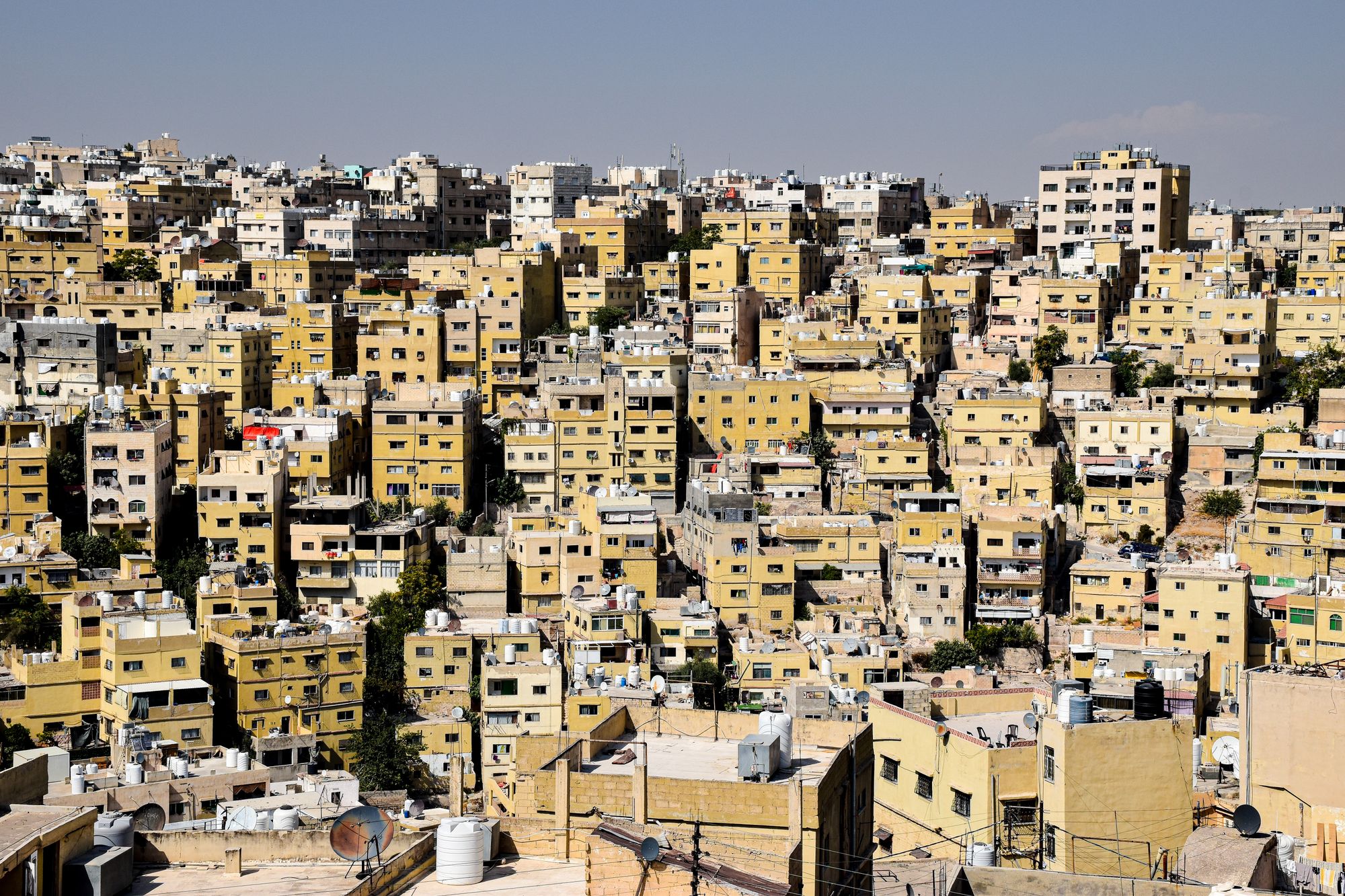
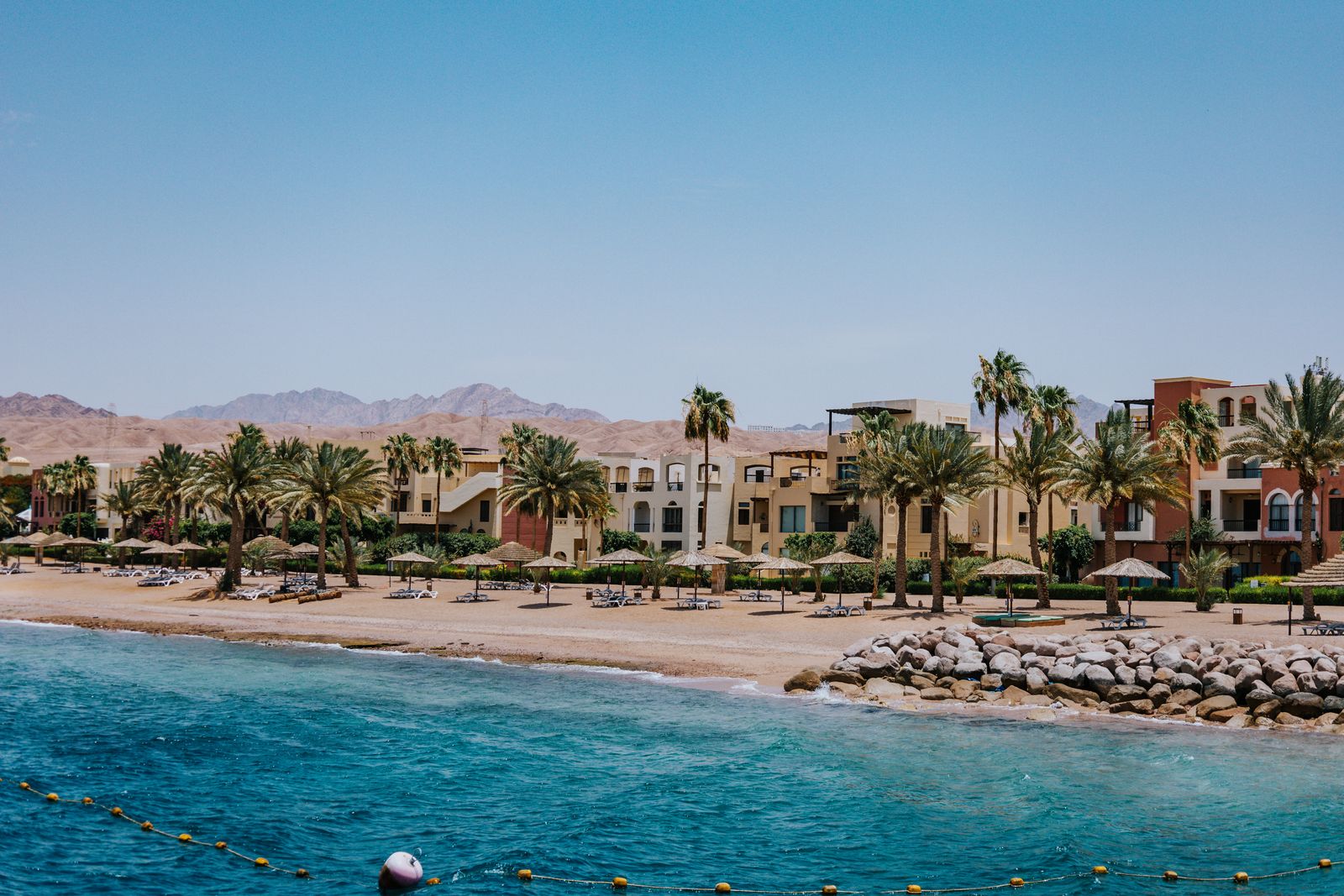
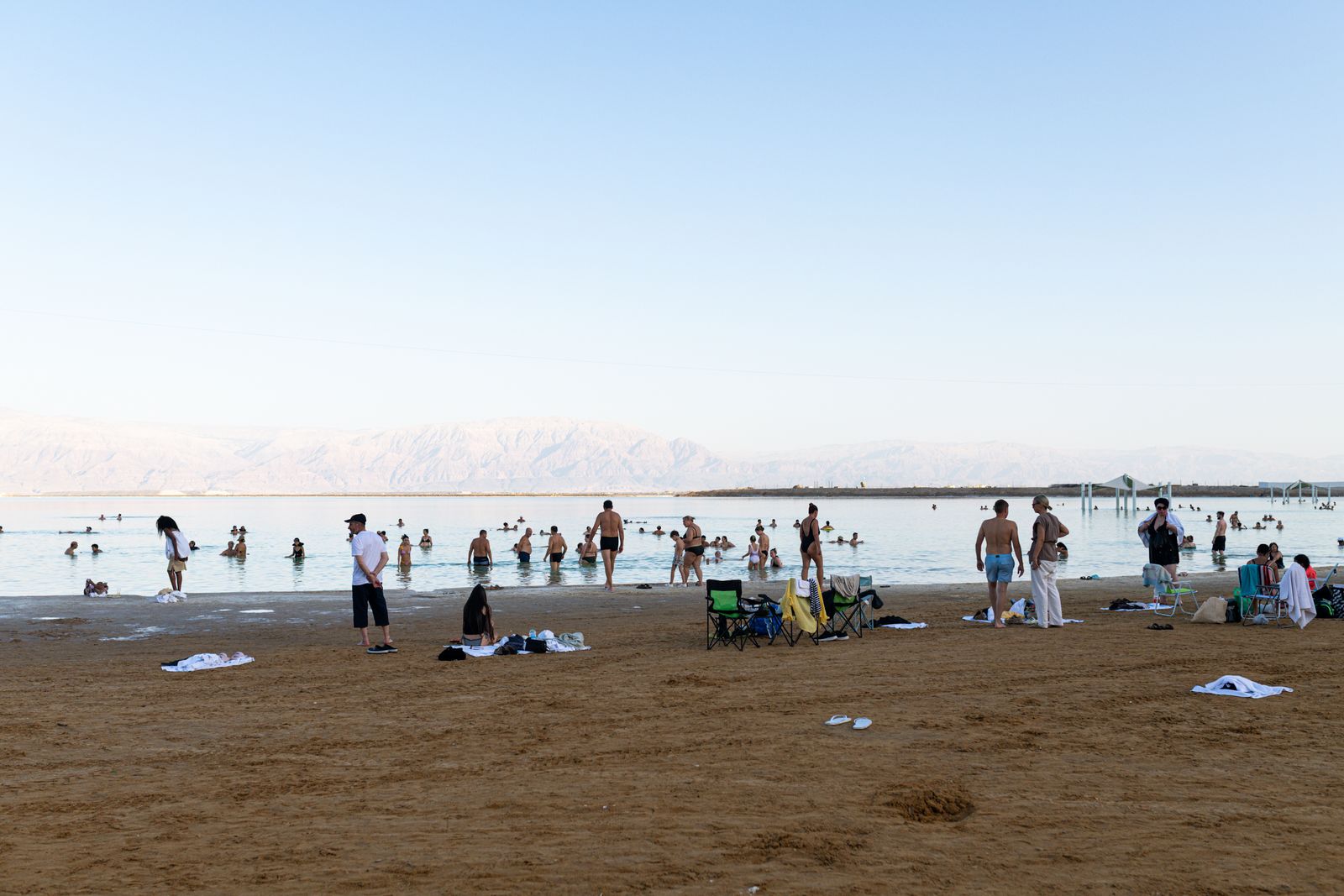
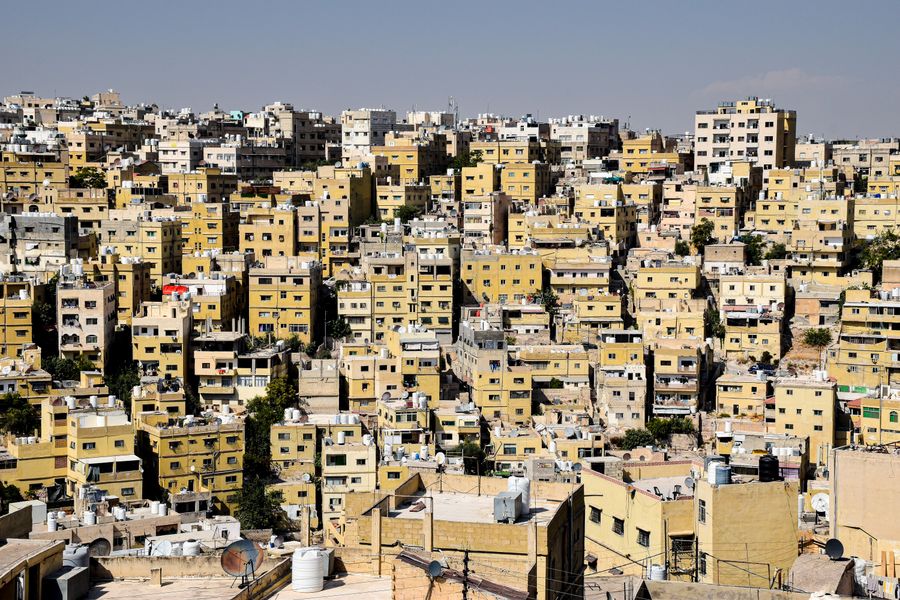
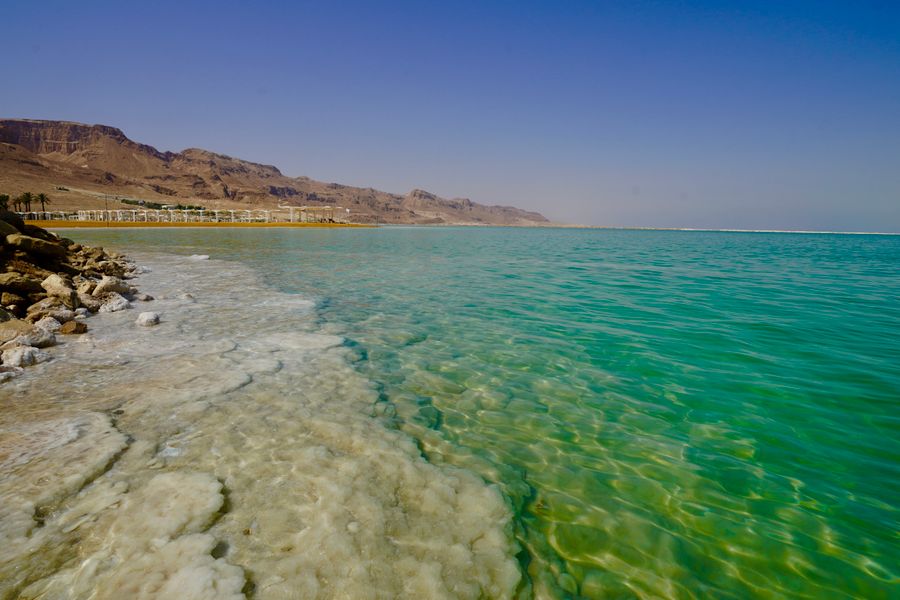
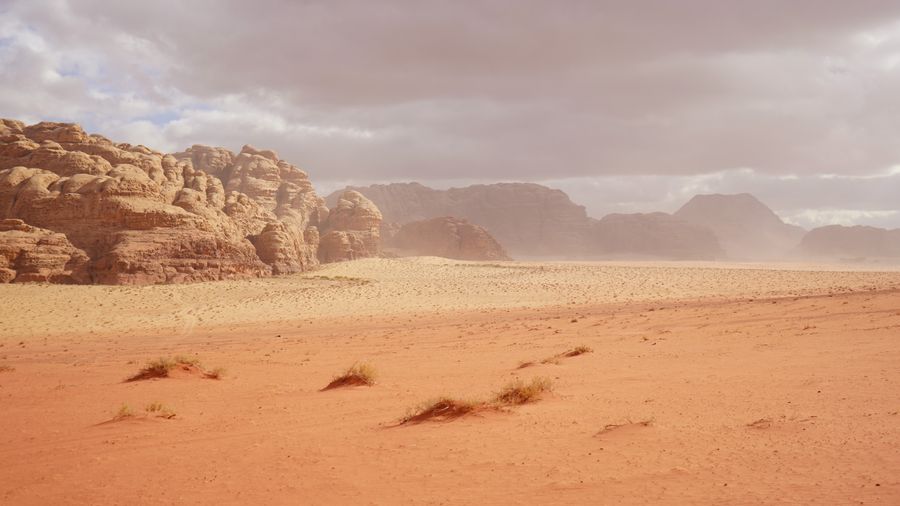
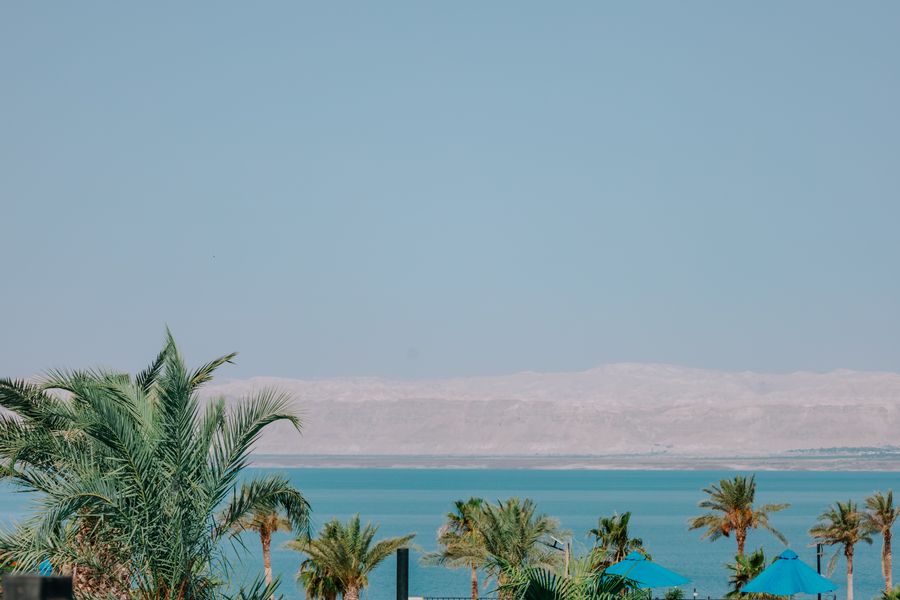
The Red Sea at Aqaba, the water of the Dead Sea, the red desert of Wadi Rum and the hills of Amman. All of it fits into one small country.
The climate is dry and sunny; rain falls in the west from November to April. The Dead Sea is the lowest open place on land on Earth.
A foreigner can own property in their own name; in Amman homes are bought by private individuals. A purchase goes through with the permission of the Minister of the Interior.
A private owner pays no capital gains tax, and there is no inheritance tax either. On a deal the seller pays a 3% tax and the buyer a 3% registration fee.
Foreigners’ children can study in state schools, free of charge from the first to the sixth year. Renting a flat to live in needs no permit.
What people come here for
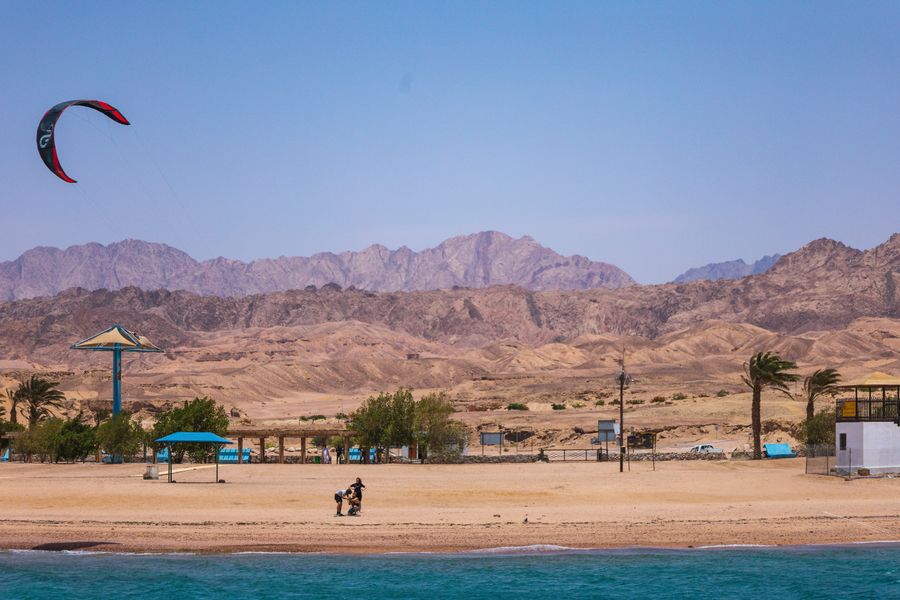
Climate and nature
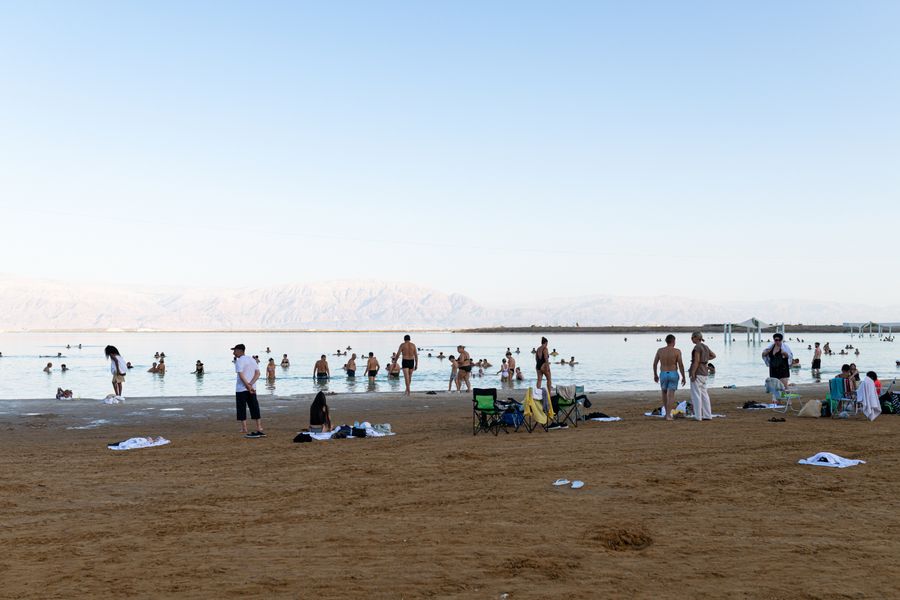
In the west of the country runs the great rift: the Jordan River valley and the Dead Sea, the lowest exposed place on land on Earth. The climate is mostly arid, with rain in the west from November to April.
- Climate: mostly arid desert; rainy season in the west from November to April
- Coastline: 26 km
- Languages: Arabic (official); English is widely understood in the upper and middle layers of society
- Currency: Jordanian dinar (JOD)
- Time zone: UTC+3
History, culture and what to see
Jordan is known above all for the ancient city of Petra, the former capital of the Nabataean kingdom, carved into rock walls. The country is also famous for the Wadi Rum desert, with its sandy valleys and rock massifs, which is on the UNESCO list. Here survive the Greco-Roman city of Jerash from the Decapolis and Umayyad buildings, such as the Qusayr Amra bathhouse with 8th-century paintings. In the west of the country runs the great rift: the Jordan River valley and the Dead Sea, the lowest exposed place on land on Earth. The climate is mostly arid, with rain in the west from November to April. The inhabitants are mostly Muslim, and there are also Christian communities. The official language is Arabic; English is widely understood in business and educated circles. The country receives many tourists, including those who come for treatment.
What to see and how far it is from our places
- Bethany Beyond the Jordan (Al-Maghtas) (UNESCO). The baptism site "Bethany Beyond the Jordan" (Al-Maghtas) lies on the east bank of the Jordan River and is associated with the baptism of Jesus. Added to the UNESCO list in 2015; the protected area covers about 294 hectares. Dead Sea — 9 km, Amman — 38 km, Aqaba — 262 km.
- As-Salt (UNESCO). As-Salt is a town on three hills of the Balqa highlands, with a population of about 108 thousand in 2018. The fortress on the top was built just after 1198 under Saladin's nephew. UNESCO added the town to the list in 2021 as a place of tolerance and urban hospitality. Amman — 21 km, Dead Sea — 32 km, Aqaba — 287 km.
- Wadi Rum (UNESCO). Wadi Rum is a protected desert in the south of Jordan of about 720 km² with sandy valleys and rock massifs. A UNESCO site since 2011; here is Jabal Umm ad Dami, the highest point of the country, about 1,840 m. In 2017 the desert was visited by about 162 thousand tourists. Aqaba — 41 km, Dead Sea — 242 km, Amman — 267 km.
- Umm ar-Rasas (UNESCO). Umm ar-Rasas is an archaeological complex with ruins of the Roman, Byzantine and early Islamic periods. The Church of Saint Stephen survives here, with the largest mosaic floor in Jordan. Added to the UNESCO list in 2004. Dead Sea — 42 km, Amman — 50 km, Aqaba — 236 km.
- Qusayr Amra (UNESCO). Qusayr Amra is a desert palace with a bathhouse, built in 723–743 under Caliph al-Walid ibn Yazid. In the domed hall of the bathhouse paintings survive, including constellations: 35 constellations can be seen on the dome. A UNESCO site since 1985. Amman — 64 km, Dead Sea — 94 km, Aqaba — 294 km.
- Petra (UNESCO). Petra is an ancient city in the south of Jordan, the former capital of the Nabataean kingdom. Its facades are carved straight into sandstone rock walls, and the best-known building, the Treasury (Al-Khazneh), rises 37 metres. Added to the UNESCO list in 1985. Aqaba — 98 km, Dead Sea — 161 km, Amman — 186 km.
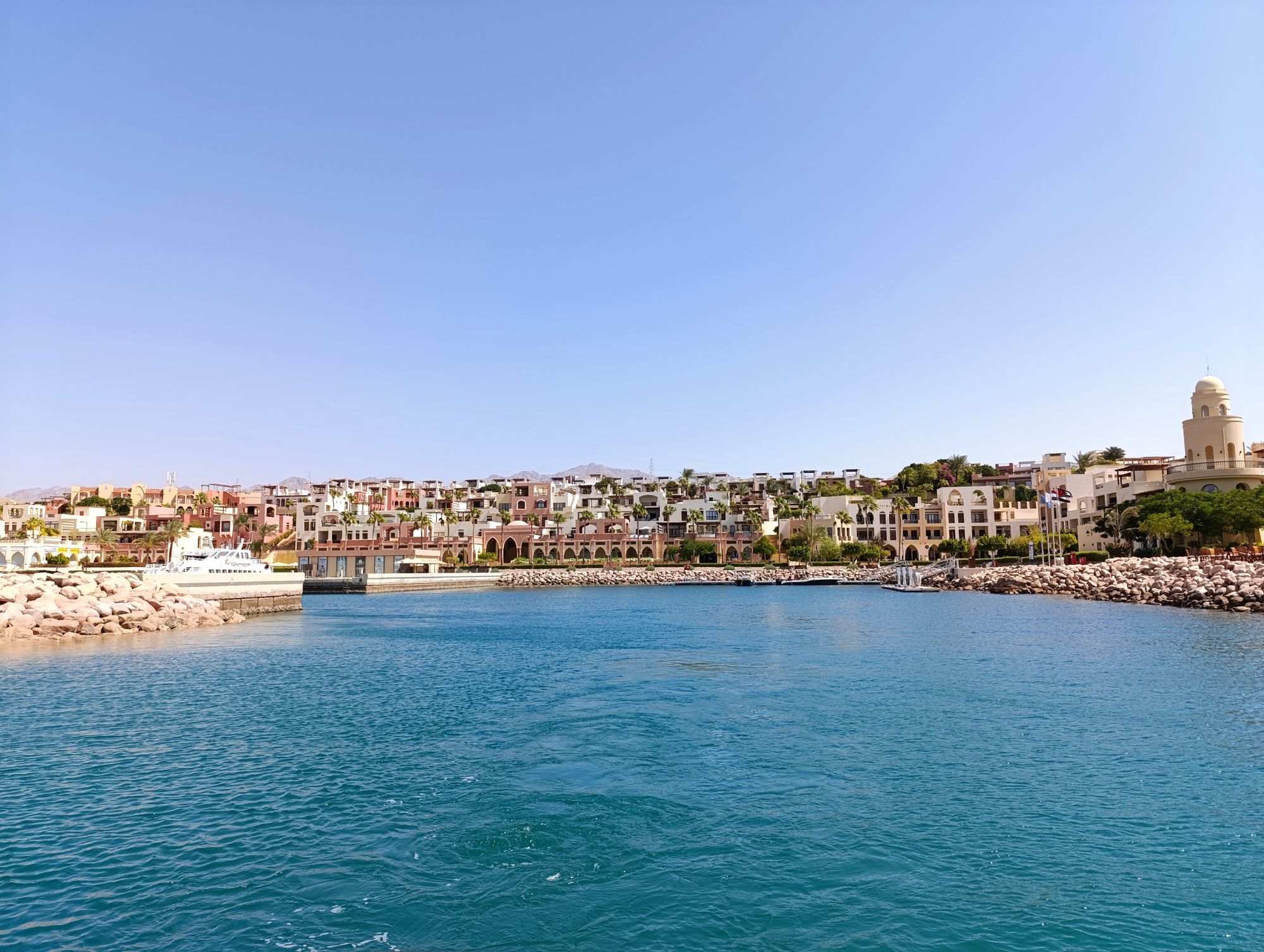
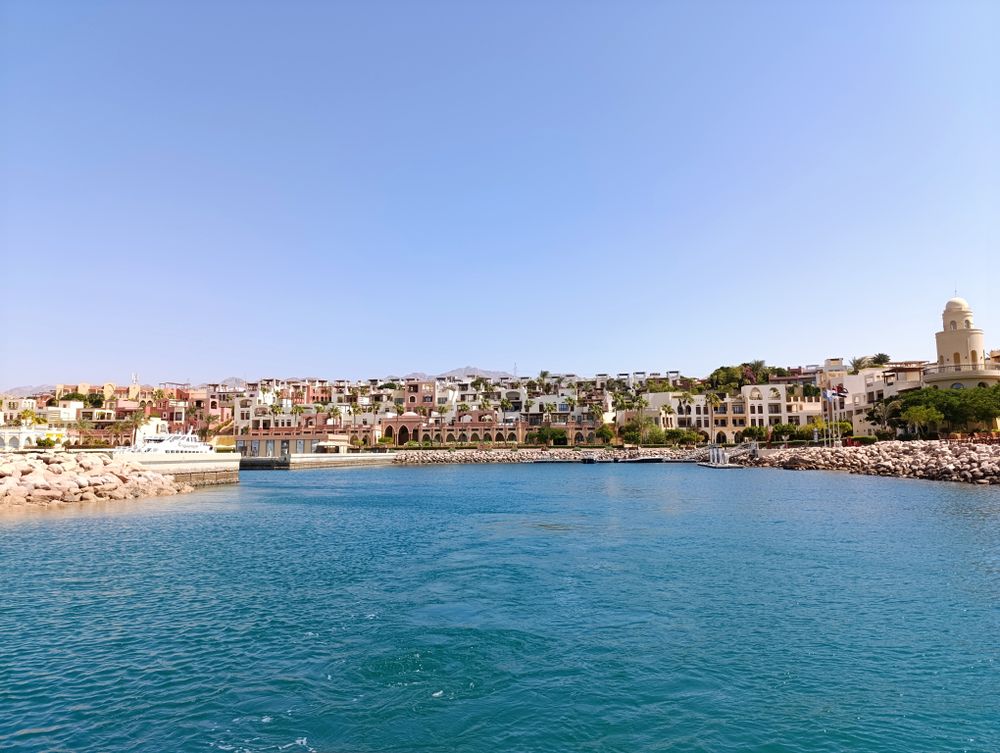
- Aqaba. Aqaba is Jordan's only seaport, on the Red Sea coast in the far south of the country. As of 2021, the city has about 95 thousand inhabitants. Aqaba — within the city limits, Dead Sea — 255 km, Amman — 283 km.
- Amman Citadel. The Citadel is a hill in the centre of Amman, fortified as early as the Bronze Age, around 1800 BC. On the top stands the Umayyad Palace, built in the 8th century under Caliph Hisham ibn Abd al-Malik. Amman — 1 km, Dead Sea — 38 km, Aqaba — 284 km.
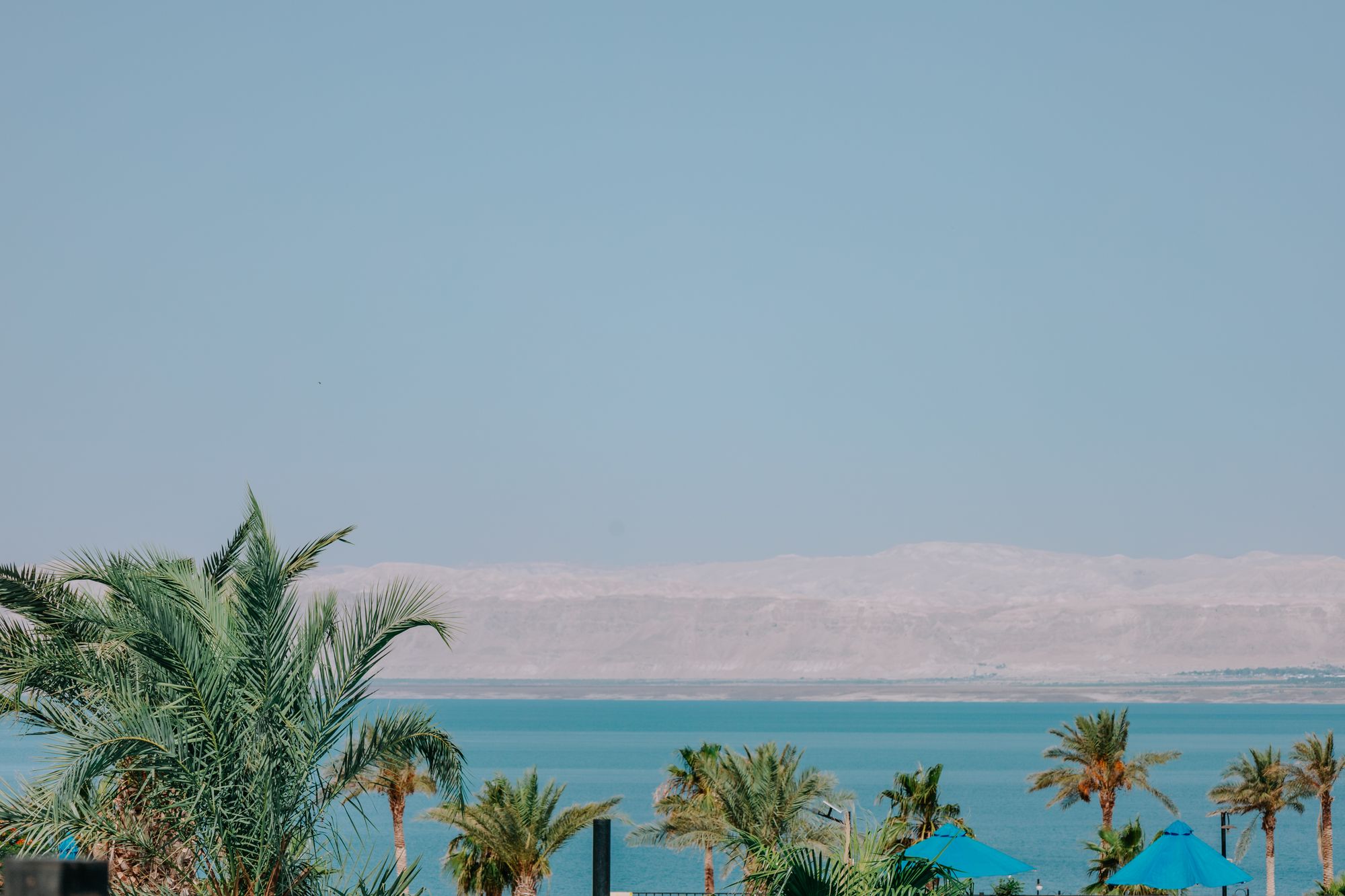
- Dead Sea. A salt lake on the border of Jordan, Israel and the Palestinian Authority. Its shores are the lowest exposed place on land on Earth, about 440 metres below sea level. A salinity of about 34% lets one float easily. Dead Sea — 31 km, Amman — 65 km, Aqaba — 224 km.
- Jerash. Jerash is one of the best-preserved Greco-Roman cities in the world, ancient Gerasa of the Decapolis, about 48 km north of Amman. At least 14 churches built in the 4th–7th centuries are known in the city. Amman — 37 km, Dead Sea — 64 km, Aqaba — 317 km.
See what it looks like
Aqaba: a resort on the Red Sea · 4 min · channel Siems Production
Now to business
Strengths first, then the essentials of the market. As of 11 October 2026.
What is good about this place
- Inheritance without tax. There is no inheritance tax in Jordan, according to a review by the German-Arab Chamber of Commerce.
- State schools. Foreigners' children can attend them; grades 1 to 6 are free of charge.
- A calm trend. In 2025 the number of registered incidents fell by 4% (23,021 against 23,982 in 2024), according to the Public Security Directorate report as relayed by a newspaper.
The market in brief
- Renting an apartment to live or work in is open to a foreigner without a permit. A permit is needed only for land of more than 10 dunams for a term of more than three years.
- There is no capital gains tax for a private individual. The seller pays a 3% sales tax, the buyer a 3% registration fee.
- There is no inheritance tax. Property in Jordan, however, passes to the heirs under Jordanian rules, regardless of a will.
- Foreigners' children attend state schools: grades 1 to 6 free of charge, then 300 dinars per semester (about $420).
- We do not yet have a house-price index for the country; prices by district are available on request.
Worth keeping in mind
- A foreigner may own property in their own name; in Amman, private individuals buy housing. A purchase goes through with the permission of the Minister of Interior; buying is not allowed in border, archaeological and historic zones.
- A purchased property cannot be resold for 4 years (housing) or 6 years (other) after registration, unless the Minister allows it earlier. This is the main condition for anyone considering a quick sale.
Details
Open what matters to you. The sections come from the knowledge base and grow with it.
What and where a foreigner can buy
- A private individual and a company can buy property after obtaining a permit (law No. 13 of 2019, article 133). Agency pages describe this as the usual route for housing: apartments, townhouses, detached houses.
- Amman. Private individuals hold housing with full rights. A purchase is checked by the competent services.
- Aqaba. Its own procedure of the special economic zone (ASEZA) applies. Under the 2007 instruction, a private individual buys a residential plot of up to 3 dunams with the Commissioner's approval, and from 3 to 6 with the Chairman's approval. A 2022 edition exists; we have not read its text, so we will clarify the procedure on request.
- Where not allowed. Buying is closed in border, archaeological and historic zones. A refusal of the permit cannot be appealed (article 137).
- Project deadline. If land is bought for development, the project must be completed within 4 years (housing) or 6 years (other). A 2% a year charge applies for being late.
- Resale. The property cannot be transferred to another person before these same deadlines expire. The Minister may allow it earlier on a reasoned request.
- Inheritance. There is no tax. A foreigner's movable property is divided under the law of their country. Property in Jordan passes under Jordanian rules, regardless of a will; no more than a third can be bequeathed.
What it costs to buy, hold and sell
Buying:
| Item | Amount |
|---|---|
| Registration fee (paid by the buyer) | 3% of the assessed value, not less than 20 dinars (about $28) |
| Lawyer | about 1% |
| Sales tax (paid by the seller, separately) | 3% |
Example on the rates in our base: a property for 100,000 dinars (about $140k). The buyer's fee is 3,000 dinars (about $4.2k), the lawyer about 1,000, a total of about 4,000 dinars (about $5.6k), that is, about 4%.
Reference books give other figures: the buyer's costs up to 7% (a fee of about 6% plus a lawyer). The earlier "9%" does not appear in the table of law No. 7 of 2023. The figures given here are those of the law; the difference has not been resolved, and in calculations it is worth keeping both variants.
Holding: on property tax the sources differ. A review by the German-Arab Chamber of Commerce says in one place that there is no tax, and in another mentions an annual tax. We have not opened the tax service's page; we will clarify the amount on request.
Selling:
- There is no capital gains tax for a private individual (income tax law No. 34 of 2014): gains inside the country are exempt, except for depreciable assets and shares in companies.
- The seller pays a 3% sales tax. The agent's commission is not included; we will provide its amount on request.
Renting out
- Long-term. A foreigner rents housing freely. There is no single landlord licence; some municipalities ask for the rented premises to be registered. Whether Amman requires this, we will clarify on request.
- Short-term. Most cities require permits: from a simple online registration to an application with an inspection. We will provide the rules of Amman and Aqaba on separate request.
- Rental tax. Non-residents and residents pay on Jordanian income on one scale. According to a review by the audit firm BDO (February 2019), the rates of 5, 10, 15 and 20% are applied in steps to the first 5,000 dinars (about $7k), 25% up to a million, 30% on income above 1m dinars (about $1.4m). There are personal allowances. This is an audit firm's page, not an official page of the tax service, and we have not yet checked the latest edition of the law.
This is the tax in Jordan. The tax in the investor's country of residence is calculated separately.
Residence and citizenship
We will provide the conditions of the residence programmes for different passports on request. Citizenship by investment is marked in our base as not available.
Who it is open to (by the applicant's first citizenship). What the programme itself says about applicants with different passports; "not named" does not mean "open".
- Investment citizenship (citizenship; accepting applications): Russia, Belarus, Kazakhstan, Uzbekistan, India, Pakistan — not named in the programme rules.
Under the law of their own country, the first citizenship is lost in this case: Kazakhstan, Uzbekistan, India.
- 5-year residence through property (residence permit; accepting applications): Russia, Belarus, Kazakhstan, Uzbekistan, India, Pakistan — not named in the programme rules.
Prices: four lines
There is no house-price index for the country in our base yet: the Bank for International Settlements does not publish such a series for Jordan. We will provide prices by district and by transaction on separate request.
Places and districts
The directory holds 18 districts: Amman 11, Aqaba 5, Dead Sea 2. There are no prices on the pages read; there are other figures:
| District | What was read | Source and date |
|---|---|---|
| Amman, Abdali | 734 apartments and 1,200 hotel rooms in the project | developer's website, page footer of 2023, read 11 October 2026 |
| Amman, Wast Al-Balad | population 42,955 (2024) | Wikipedia, read 11 October 2026 |
| Amman, Marj Al-Hamam | population 82,788 (2015 census) | Wikipedia, read 11 October 2026 |
| Dead Sea, development zone | about 40 sq km | article on the development zones law, 2016 |
| Dead Sea, Samarah | 205 apartments, 80–180 sq m | newspaper article of 2016, not current |
What can be seen:
- Abdali is a mixed-use project in the centre of western Amman: apartments, offices, a shopping street, hotels. Which parts are built is not stated on the website.
- The Dead Sea zone is designed for hotels, resorts and tourism; in 2026 a tourist beach of about 240 dunams was reopened.
- Samarah is a resort with apartments, villas and a Hilton hotel; in 2016 its bank programme was designed for Jordanians and residents of the Gulf.
Commercial property
What a foreigner can buy. Commercial property can be bought with a permit (article 133 of law No. 13 of 2019); according to agency pages, the Ministry of Interior approves. For an industrial or service project the Minister can allow a plot of up to 40 dunams on a reciprocal basis (article 140). A company registered in Jordan can buy for its business. In Aqaba a legal entity buys land for a business: up to 10 dunams is decided by the Commissioner, up to 50 by the Chairman, up to 100 by the Board, with a check by the security services; this is under the 2007 instruction, and we have not read the 2022 edition.
How it differs from housing. It does not, as far as fees go: the buyer pays the 3% registration fee, the seller the 3% sales tax; the rates do not depend on the purpose. The restrictions are the same: border and historic zones are closed, and the project deadline is 6 years for non-residential properties.
What is not yet available. VAT on purchase and on rent, tax on commercial rent, the usual contract term, rental rates, yield and the share of vacant space are available on request.
Where it is concentrated. The directory holds ten places. Amman: Abdali, Wast Al-Balad, Jabal Amman, Shmeisani, Sweifieh, Um Uthaina. Aqaba: the centre, Marsa Zayed (320 ha along the Red Sea, phase 1 run by MAG Group Holding), Saraya Aqaba. Dead Sea: Samarah.
Buying off plan
Developers are entitled to sell finished units (article 150). The law allows a registered contract for a future sale (article 128). A permit to buy is needed here too, and the deadline for completing a housing project is 4 years.
Who builds: developers, projects and prices
A summary from the developers' own websites. This is a sample, not a census of the market: it includes companies that have a working website; prices are published "from" prices, stages are as worded on the pages.
- Developers in the base: 3, of which 2 have project pages on their own site.
- Projects: 7; the stage is not named on the pages.
- Prices are not published by developers on their sites.
- A foreign buyer is addressed directly by 1 of 3; 2 say nothing about it on their site. Site languages: English — 3, Arabic — 1.
By place:
- Amman: projects 3, developers 2; the stage is not named on the pages; prices are not published.
- Aqaba: projects 2, developers 1; the stage is not named on the pages; prices are not published.
What developers' sites do not show: the pace of sales, the share sold and handover delays. Promises of rental income and buy-back are the seller's statements and have not been checked.
Who sells and where to look
The directory holds two developers: Eagle Hills Jordan and Emmar Investments and Real Estate Development (Jordan). Auctions: the Ministry of Justice's electronic auctions.
What else we will do for you
The review answers the general questions. Then your own story begins — and we are with you at every step.
We work out your exact tax
For your passport and the country you live in: on purchase, ownership, letting and sale.
We gather real prices
For the district and the building you like: what actually sells and for how much.
We show you properties
Options for your goal and budget, and a viewing on site or by video.
We check the developer and the papers
Title, permits, the record of completed buildings — before you pay anything.
We handle the paperwork
The deal, registration of title, residence for the family, a bank account.
We stay with you after the purchase
Letting, management, reporting — and the sale when the time comes.
For this country we will find out for you
Where to begin?
Tell us what matters to you, and we will start from your task, not from a catalogue.